
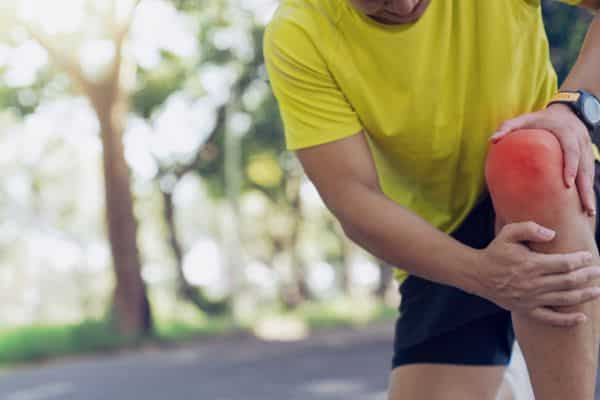
It’s common to feel some soreness in your knees after a workout, a long run, or a weekend of sports. In many cases, this discomfort is simply the result of overuse and resolves with rest. But what happens when the pain lingers, worsens, or starts to interfere with your daily activities? Understanding the difference can help you determine when to rest and when to seek an orthopedic evaluation.
At OSMC Orthopedic & Sports Medicine Center, we help patients determine whether knee pain is a normal response to activity or a sign of a more serious underlying condition that requires expert care.
Is Knee Pain After Exercise Normal?
Mild muscle soreness after exercise is common, particularly when starting a new workout or increasing intensity. However, pain directly inside or around the knee joint may indicate something more than typical muscle soreness.
Delayed onset muscle soreness (DOMS) usually develops 12–24 hours after unfamiliar or strenuous exercise and gradually improves over several days.
Sharp pain, noticeable swelling, or difficulty bearing weight is less consistent with ordinary post-workout soreness.
What Causes Knee Pain After Exercise?
Knee pain after activity is often caused by overuse, especially when you increase intensity, duration, or frequency too quickly. Repetitive stress on the knee joint can irritate muscles, tendons, and ligaments, leading to inflammation and discomfort.
Common overuse conditions include runner’s knee, patellar tendonitis, and mild muscle strain. These issues typically improve with rest, ice, and gradual return to activity. However, not all knee pain is that simple.
Common Causes of Knee Pain After a Workout
1. Patellar Tendinitis
Patellar tendinitis, sometimes called jumper’s knee, occurs when the tendon connecting your kneecap to your shinbone becomes irritated from repetitive stress.
Running, jumping, squatting, and other high-impact exercises can contribute to this condition.
Symptoms often include pain below the kneecap that worsens during physical activity.
Learn more about common causes of knee pain.
2. Runner’s Knee
Patellofemoral pain syndrome, commonly known as runner’s knee, causes discomfort around or behind the kneecap.
It may develop from repetitive loading, training changes, or problems with lower-body strength and movement mechanics.
Pain often increases when climbing stairs, squatting, running, or sitting with bent knees for extended periods.
Explore why knee pain develops during running or walking.
3. Meniscus Injuries
The meniscus is cartilage that helps cushion and stabilize your knee. Twisting movements during sports, exercise, or weightlifting can sometimes cause a meniscus tear.
Symptoms may include swelling, catching, locking, or pain when rotating the knee.
Learn more about common knee injuries and their symptoms.
4. Knee Arthritis
Exercise may aggravate existing knee arthritis, particularly when workouts involve repetitive impact or increased joint loading.
Arthritis-related symptoms can include stiffness, swelling, aching, and reduced mobility.
An orthopedic knee specialist can help determine whether arthritis or another condition is contributing to recurring knee pain.
How Do I Know If My Knee Pain Is More Than Overuse?
While mild soreness is normal, certain symptoms may indicate a more serious injury. If your knee pain persists for more than a few days, worsens with activity, or doesn’t improve with rest, it may be more than overuse.
Other warning signs include swelling, stiffness, instability, or a feeling that your knee might “give out.” You may also notice a popping or clicking sensation, difficulty bending or straightening your knee, or pain when bearing weight. These symptoms can point to ligament injuries, cartilage damage, or meniscus tears.
Ignoring these signs can lead to further damage and a longer recovery time.
When Should You See a Doctor for Knee Pain?
Consider scheduling an evaluation if you experience:
- Knee pain that persists despite rest
- Swelling following exercise
- Difficulty bending or straightening your knee
- A sensation that your knee is catching or giving way
- Pain that repeatedly returns during workouts
A popping sensation followed by rapid swelling or instability may indicate an ACL injury.
Seek prompt medical attention for severe swelling, significant injury, visible deformity, or an inability to bear weight.
Common Knee Injuries That Require Attention
Some of the most common knee injuries we see at OSMC go beyond simple overuse. Ligament injuries, such as ACL or MCL tears, often occur during sudden twisting or pivoting movements. Meniscus tears can happen from rotation or deep bending and may cause locking or catching in the joint.
Inflammatory conditions like bursitis or more advanced tendon injuries can also develop if overuse is not addressed early. In some cases, underlying arthritis may be contributing to ongoing knee pain, especially in adults who remain active.
When Should You See an OSMC Orthopedic Specialist?
If your knee pain is persistent, severe, or limiting your ability to stay active, it’s time to seek professional evaluation. Early diagnosis is key to preventing minor issues from becoming major injuries.
At OSMC Orthopedic & Sports Medicine Center, our specialists use advanced imaging and thorough clinical assessments to identify the root cause of your knee pain. From there, we create a personalized treatment plan that may include physical therapy, bracing, or minimally invasive procedures.
Don’t Push Through the Pain
It can be tempting to push through knee pain, especially if you’re committed to your fitness routine or sport. However, doing so can worsen the injury and delay recovery. Listening to your body and addressing pain early is one of the best ways to stay active long-term.
How Can You Prevent Workout-Related Knee Pain?
Reducing your risk starts with healthy exercise habits. Increase workout intensity gradually, warm up before activity, strengthen the muscles supporting your knees, and allow adequate recovery time.
If knee pain persists, physical therapy may help improve strength, flexibility, and movement mechanics.
For additional guidance, read OSMC’s article on what to do after a sports injury.
Get Back to Activity with Confidence
Knee pain after activity isn’t always just overuse—and knowing the difference matters. If your symptoms aren’t improving or you’re concerned about a possible injury, the team at OSMC Orthopedic & Sports Medicine Center is here to help.
Schedule an evaluation today and take the first step toward lasting relief, improved performance, and a safe return to the activities you enjoy. Reach out for more information on becoming an OSMC patient.
Get Knee Pain Treatment at Orthopedic & Sports Medicine Center
At Orthopedic & Sports Medicine Center (OSMC), our specialists evaluate knee pain, sports injuries, and overuse conditions to help patients identify the source of their discomfort.
Treatment recommendations depend on your diagnosis and may include rehabilitation, medication, injections, or surgical options when appropriate. Non-surgical options include Platelet-Rich Plasma (PRP) therapy for certain knee, joint, and tendon conditions and MLS Laser Treatment, a non-invasive option designed to help manage pain and inflammation while supporting recovery.
Contact Orthopedic & Sports Medicine Center today to schedule an evaluation and take the next step toward returning to your favorite activities.
